





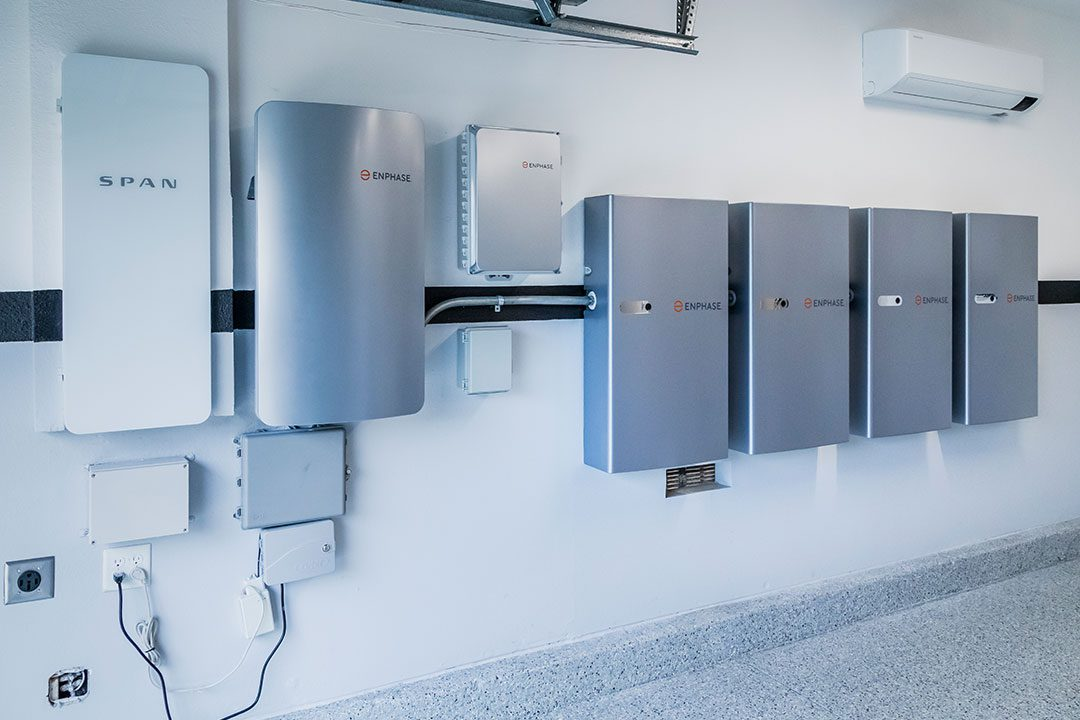
Solar panels can significantly reduce your reliance on grid electricity, but they have one obvious limitation: they only generate power when the sun is available. Without energy storage, excess electricity produced during the day may be sent to the grid rather than saved for use later. That is why many homeowners with existing solar systems are considering battery storage.
The good news is that in many cases, you can add a battery to an existing solar system without replacing the entire installation. Companies such as EvolutionElectricSolar.com can help homeowners evaluate their existing equipment and determine what type of battery-storage setup may work with their system.
However, adding a battery is not simply a matter of connecting a large battery to your solar panels. Compatibility, inverter technology, available space, electrical requirements, battery capacity, and your energy goals all need to be considered before installation.
Why Add a Battery to an Existing Solar System?
A solar battery allows electricity generated during the day to be stored and used later. Instead of relying entirely on the grid after sunset, homeowners can draw power from stored solar energy.
There are several reasons people choose to add battery storage:
Use More of Your Solar Energy
Solar panels often produce their highest output during the middle of the day, when some households may have relatively low electricity demand. A battery can store some of that excess energy for use during the evening or other periods when solar production is lower.
This can make an existing solar installation more useful by shifting when the generated electricity is consumed.
Provide Backup Power
Depending on the battery system and installation configuration, stored energy can provide backup power during a grid outage. This can be particularly useful for keeping essential appliances, lighting, communications equipment, refrigerators, or other critical loads operating.
Not every solar-plus-battery installation provides whole-home backup, however. The system must be specifically designed and configured for backup operation.
Reduce Grid Dependence
A battery can reduce the amount of electricity a household needs to purchase from the grid at certain times. The financial benefit depends on factors such as electricity rates, solar production, battery capacity, utility rules, and how the battery is operated.
The U.S. Department of Energy explains that solar-plus-storage systems allow electricity generated by solar panels to be stored and used at a different time, improving the flexibility of solar power.
Is Every Existing Solar System Battery-Ready?
No. Whether a battery can be added depends largely on the existing system’s equipment.
The inverter is one of the most important components to evaluate. Solar panels produce DC electricity, while most household appliances and the electrical grid use AC electricity. The inverter manages this conversion and plays a major role in how solar and battery equipment work together.
An older solar system may have an inverter that was never designed to communicate with or control battery storage. In that situation, additional equipment may be necessary.
A professional assessment should look at:
- The solar panel capacity
- Existing inverter type and model
- Age and condition of the equipment
- Available electrical capacity
- Existing wiring and protection equipment
- Battery compatibility
- Desired backup loads
- Available installation space
- Local electrical and utility requirements
AC-Coupled vs. DC-Coupled Battery Systems
One of the most important decisions when adding storage is how the battery will connect to the solar system.
AC-Coupled Systems
An AC-coupled battery system typically works alongside an existing solar inverter. Solar electricity is converted from DC to AC, while a separate battery inverter manages charging and discharging the battery.
This approach can be particularly attractive for homeowners who already have an operational solar system because it may allow battery storage to be added without replacing the existing solar inverter.
The U.S. Department of Energy notes that AC coupling is commonly used when batteries are retrofitted to existing solar systems because it can avoid some of the rewiring associated with a DC-coupled configuration.
DC-Coupled Systems
In a DC-coupled configuration, the solar array and battery are connected on the DC side of the system. A bidirectional inverter or related power electronics manage the flow of electricity between the solar array, battery, home, and grid.
DC coupling can offer efficiency advantages because electricity may require fewer conversion steps. However, it may be more complicated as a retrofit if the existing solar equipment was not designed for this configuration.
Neither approach is automatically best for every home. The right choice depends on the equipment already installed and the homeowner’s objectives.
Do You Need a New Inverter?
Sometimes.
If your existing inverter is compatible with the proposed battery system, it may be possible to add storage without replacing it. In other cases, the inverter may need to be upgraded or supplemented with a battery inverter.
Microinverter-based solar systems can also require a different approach because each panel has its own inverter. A battery solution must be designed around how those individual inverters interact with the storage system.
The age of the existing inverter is another important consideration. If it is already approaching the end of its expected service life, replacing or upgrading it as part of the battery installation could make more sense than designing around aging equipment.
How Much Battery Capacity Do You Need?
A bigger battery is not necessarily better.
Battery capacity is generally measured in kilowatt-hours (kWh), while power output is measured in kilowatts (kW). Capacity tells you approximately how much energy the battery can store, while power determines how much electricity it can deliver at a particular moment.
For example, a homeowner interested mainly in evening energy use may need a different battery size than someone who wants to operate several essential appliances during a prolonged outage.
Before choosing a battery, consider your typical electricity consumption and identify which appliances or circuits are most important.
You may want backup power for:
- Refrigerators and freezers
- Lights
- Internet equipment
- Security systems
- Medical equipment where appropriate
- Heating or cooling equipment
- Kitchen appliances
- Selected electrical outlets
A professional installer can use your energy-consumption data to estimate an appropriate battery capacity rather than simply recommending the largest available system.
Can a Battery Be Added Without Replacing the Solar Panels?
In many situations, yes.
Adding storage does not necessarily mean replacing functional solar panels. If your panels are still producing electricity effectively and remain compatible with the proposed equipment, they can potentially continue operating as part of the expanded system.
The key issue is how the existing solar equipment interacts with the new battery.
This is especially important when a solar installation is several years old. Before adding storage, an installer should evaluate the condition, specifications, warranties, and compatibility of the existing components.
What About Backup During a Power Outage?
This is an important distinction.
Having solar panels does not automatically mean your home will have electricity during a grid outage. Standard grid-connected solar systems generally shut down when the grid goes down because of electrical safety requirements.
A battery system designed for backup can change that arrangement by providing an independent source of stored electricity and using appropriate control equipment.
The exact backup capability depends on the battery, inverter, transfer equipment, electrical configuration, and which circuits are connected to the backup system. Some installations can support selected essential circuits, while others may be designed for much broader household coverage.
If backup power is your primary reason for installing a battery, make sure the installer clearly explains what will and will not remain powered during an outage.
What Should You Check Before Adding a Battery?
Before purchasing a battery, gather information about your current solar installation.
Start by identifying the make and model of your inverter and solar panels. Review your installation documents and warranty information if they are available. Your electricity usage history can also help determine the appropriate battery size.
It is also worth checking whether your existing system has experienced performance problems. A battery should not be used to compensate for an underlying solar-system problem.
The U.S. Department of Energy recommends considering factors such as the type and age of the inverter, system performance, and equipment warranties when evaluating an existing solar installation.
Is Adding a Battery Worth It?
For some homeowners, absolutely—but the answer depends on why you want one.
A battery can be especially valuable if you want greater energy independence, more control over when you use solar electricity, or backup power during outages.
However, the financial return depends on local electricity prices, utility policies, battery costs, system size, energy consumption, and how frequently the battery is used.
The best approach is to compare the expected benefits with the complete installation cost. A professional solar installer can also evaluate whether your current system needs an inverter upgrade or other modifications.
Final Thoughts
So, can you add a battery to an existing solar system? In many cases, yes. Existing solar installations can often be expanded with battery storage, but the solution needs to be designed around the equipment already in place.
The most important considerations are inverter compatibility, battery capacity, AC versus DC coupling, backup requirements, system age, electrical configuration, and installation requirements.
Rather than purchasing a battery first and trying to make it work with your solar system afterward, have the existing installation evaluated. A properly designed solar-plus-storage system can help you make better use of your solar generation, reduce reliance on grid electricity, and potentially provide valuable backup power when the grid is unavailable.
The right battery is therefore not simply the biggest or newest option available. It is the one that works safely and efficiently with your existing solar equipment while matching your household’s actual energy needs.