





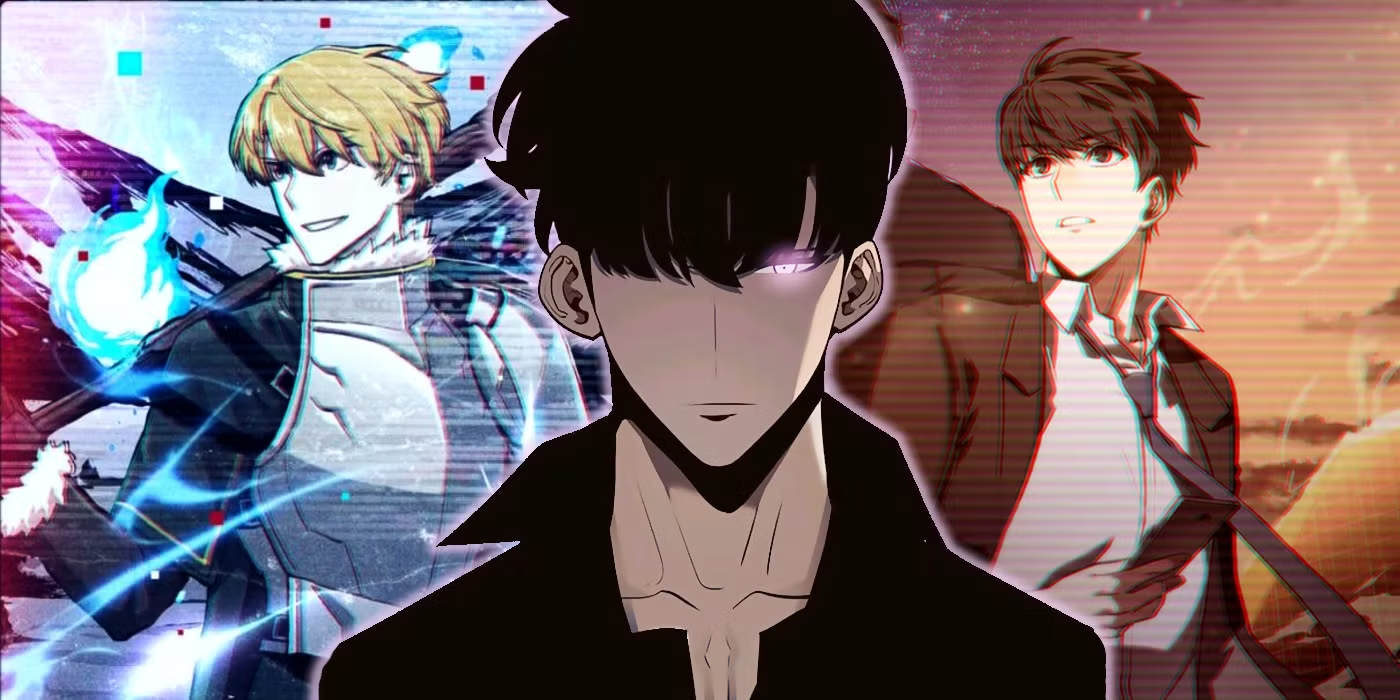
Dungeon and leveling manhwa have become one of the most popular formats in modern digital comics. These stories combine fantasy, action, adventure, progression, and powerful characters into narratives that constantly give readers a reason to continue. A protagonist may begin as an ordinary or underestimated character and gradually become one of the strongest people in the world.
The appeal is especially strong among readers who enjoy following character growth chapter by chapter. Platforms and communities such as asura scans have helped make this type of action-focused manhwa easily discoverable among online comic readers. But what makes dungeon and leveling stories so difficult to put down? Their addictive quality comes from several storytelling techniques working together.
The Satisfaction of Character Progression
One of the biggest reasons leveling manhwa are addictive is progression. Readers are not simply watching a character experience events; they are watching that character become stronger.
A weak protagonist might initially struggle against basic enemies, fail important missions, or receive little respect from others. Over time, however, training, battles, skills, equipment, and experience begin changing the character.
Every improvement creates anticipation for the next stage. Readers naturally begin wondering what ability will appear next, how strong the protagonist can become, and whether the character will eventually surpass powerful opponents.
This creates a continuous reward system within the story.
Dungeon Systems Create Clear Goals
Dungeon-based stories often give characters clear objectives. A protagonist may need to defeat a boss, complete a mission, acquire an item, escape a dangerous environment, or reach a particular level.
These objectives make the story easy to follow because readers understand what the character is trying to accomplish.
The structure also creates natural suspense. A dungeon may contain increasingly difficult enemies, hidden rooms, rare rewards, or an unexpected boss. Even when readers understand the general formula, they still want to discover what awaits the protagonist at the next stage.
The Appeal of Game-Like Mechanics
Many dungeon and leveling manhwa borrow ideas from role-playing games. Characters may have statistics, skills, inventories, quests, ranks, classes, abilities, or experience points.
These mechanics give readers a familiar framework for understanding character development.
When a protagonist gains a new skill or reaches a higher level, the achievement feels measurable. Instead of simply being told that a character has become stronger, readers can see evidence of that improvement through new abilities and increasingly difficult challenges.
This game-inspired structure is one reason progression fantasy can be so engaging.
From Underdog to Overpowered Hero
The underdog storyline is another major ingredient.
Many popular leveling manhwa begin with protagonists who are weak, inexperienced, poor, overlooked, or considered useless. This creates an immediate emotional connection because readers can understand the frustration of being underestimated.
When that same character eventually becomes powerful, the transformation feels rewarding.
The contrast between the beginning and later stages of the story makes each victory more meaningful. A character who once struggled against a minor opponent might eventually defeat enemies who were previously considered untouchable.
That dramatic transformation encourages readers to keep going.
Constant Curiosity Keeps Readers Reading
Dungeon manhwa are often built around unanswered questions.
Why did the dungeon appear? Where did the leveling system come from? Who created the mysterious abilities? What exists beyond the current dungeon? Is the protagonist’s power connected to a larger conflict?
These questions create narrative momentum.
Even when a chapter does not contain a major battle, readers may continue because they expect another mystery to be revealed eventually. Good stories balance immediate questions with larger mysteries that remain unresolved for dozens of chapters.
This technique gives readers both short-term and long-term reasons to continue.
Powerful Villains Make Progression Meaningful
A protagonist becoming stronger is only interesting when there are meaningful challenges to overcome.
Dungeon and leveling manhwa frequently introduce enemies who initially appear impossible to defeat. These powerful opponents establish a benchmark for the protagonist.
Readers can then watch the hero gradually close the gap.
A strong villain also creates anticipation. If an enemy has already defeated powerful characters or destroyed an entire group, readers immediately understand that the protagonist faces a serious threat.
The eventual confrontation becomes more exciting because the story has spent time establishing the opponent’s strength.
The Reward of Unlocking New Abilities
New skills and abilities are among the most enjoyable moments in progression-based stories.
A character might unlock a special attack, summon powerful creatures, acquire a rare weapon, or discover an ability that changes the way battles work.
These moments function almost like rewards for following the story.
Readers begin anticipating the next upgrade. Even before a major battle takes place, they may speculate about what ability the protagonist will obtain or how an existing skill might evolve.
This anticipation can be just as engaging as the battle itself.
Why Cliffhangers Work So Well
Chapter-based digital comics frequently end at moments designed to create curiosity.
The protagonist may enter a mysterious room, encounter a powerful enemy, discover unexpected information, or prepare to use a new ability. The chapter ends before the outcome is revealed.
This is the classic cliffhanger.
For readers, the immediate reaction is often simple: “What happens next?”
That question creates a strong motivation to return for the following chapter. When a series consistently combines progression with cliffhangers, readers can easily move from reading one chapter to consuming many more.
Visual Action Makes Battles More Engaging
Manga and manhwa have an advantage over traditional prose because visual storytelling can make action sequences immediate and dynamic.
Powerful attacks, monster designs, dungeon environments, character expressions, and dramatic transformations can all be communicated through artwork.
In dungeon manhwa, visual presentation is particularly important because the setting itself can become part of the excitement. A dark underground chamber, enormous monster, ruined fortress, or mysterious portal can establish atmosphere before a single line of dialogue is read.
The artwork therefore works alongside the progression system to create a stronger reading experience.
The Psychology Behind Repeated Rewards
The addictive structure of leveling stories is closely connected to how humans respond to goals and rewards.
Readers receive small rewards throughout the narrative: a character gains experience, defeats an enemy, discovers an item, solves a mystery, or unlocks a new ability.
Then larger goals are introduced.
This creates a repeating cycle of challenge, progress, and reward. The reader becomes curious about the next milestone and continues reading to reach it.
The concept resembles the reward structures found in games, although a well-written manhwa adds emotional storytelling, relationships, mysteries, and character development to the formula.
Why Readers Enjoy Watching Characters Become Stronger
Character progression can also provide a sense of accomplishment by proxy.
Readers may identify with a protagonist who starts from a difficult position and gradually improves. Watching that transformation can be satisfying because the character’s victories feel earned.
This is particularly effective when the protagonist faces setbacks.
A completely unstoppable hero can eventually become predictable. A character who struggles, adapts, learns, and then succeeds provides a stronger emotional payoff.
The journey matters as much as the final power level.
Dungeon Worlds Offer Endless Possibilities
Another reason this genre remains flexible is the variety of worlds that can be created around the dungeon concept.
One story might feature modern cities suddenly invaded by monsters. Another could take place in a completely fictional kingdom. Some stories combine dungeons with martial arts, magic, science fiction, reincarnation, or supernatural systems.
This flexibility allows creators to use familiar progression mechanics while developing very different settings.
The result is a genre that can feel recognizable without every series being identical.
Why Readers Keep Returning to Long-Running Series
Long-running dungeon and leveling manhwa can create a strong relationship between readers and characters.
After following a protagonist through dozens or hundreds of chapters, readers become invested in their goals, friendships, rivalries, and personal development.
A new chapter is no longer simply another piece of entertainment. It becomes the next stage of a journey that readers have already spent significant time experiencing.
That investment makes major turning points particularly powerful.
How to Enjoy Leveling Manhwa Without Burning Out
Although these stories can be extremely engaging, reading too quickly can sometimes reduce the enjoyment.
Instead of trying to finish as many chapters as possible, readers can take time to appreciate the artwork, world-building, character relationships, and details hidden in earlier chapters.
Taking breaks between major arcs can also make the next part feel more exciting.
Another useful approach is to alternate between different genres. After reading several action-heavy series, trying comedy, romance, mystery, or slice-of-life manhwa can provide a refreshing change of pace.
The Growing Popularity of Digital Comics
The popularity of dungeon and leveling manhwa is part of a broader expansion of digital comics. Smartphones and tablets have made serialized storytelling easier to access, while online communities allow readers to discuss new chapters almost immediately.
According to the Korea Creative Content Agency’s comics industry resources, comics have become an important part of Korea’s wider content industry, reflecting the growing influence of Korean digital storytelling.
The international popularity of Korean webcomics has also encouraged more readers to explore genres and storytelling styles beyond traditional manga.
Final Thoughts
Dungeon and leveling manhwa are addictive because they combine several powerful storytelling elements: character progression, clear goals, mysterious worlds, increasingly difficult enemies, rewarding abilities, visual action, and cliffhangers.
The genre gives readers a continuous sense of movement. Characters become stronger, mysteries become deeper, enemies become more dangerous, and every new chapter promises another development.
Ultimately, the strongest appeal is the journey from weakness to mastery. Readers want to see how far a character can go, what challenges will appear next, and whether the protagonist can overcome increasingly impossible odds. When those elements are combined with compelling artwork and memorable characters, it becomes easy to understand why dungeon and leveling manhwa keep readers coming back for another chapter.